


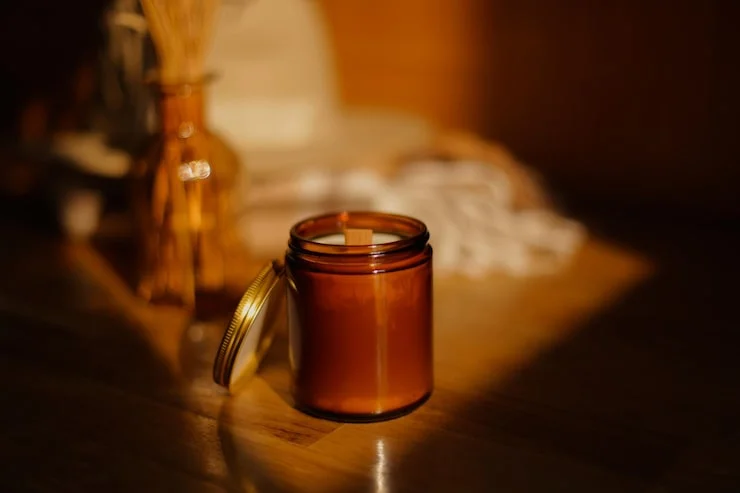
A fragrance may catch your attention the moment you open a sample bottle. The real question comes later: how does it perform in the candle you want to sell? A pleasant first impression matters, but so do wax compatibility, consistency, and the experience your customer gets at home.
When searching for a Candle Fragrance Oil Supplier in Indore MP, it helps to approach the purchase with a clear product plan. Your wax, candle format, preferred scent, and production quantity should all shape the conversation.
For sourcing enquiries, contact Vedant Corporation with these details and ask about suitable options, sample availability, and current pack sizes.
Look for product-specific information, clearly identified fragrance options, suitable usage guidance, and transparent ordering terms. Ask whether the oil is intended for candles, which applications have been evaluated, and what documentation is available.
A helpful candle fragrance oil supplier in Indore should make it easier to understand what you are buying. Price matters, but an inexpensive oil becomes a costly choice if you purchase a large quantity before establishing whether it suits your product.
Candle fragrance oils are formulated scent blends intended for use in suitable candle-making applications. Depending on the formulation, they may contain synthetic aroma ingredients, natural aromatic materials, or both.
They are different from essential oils, which are extracted from plant materials. Neither a familiar scent name nor the word “natural” tells you everything about candle performance.
Also, avoid assuming that an oil sold for perfume, soap, or room fragrance is automatically suitable for candles. Ask for the intended application of the specific product you are considering.
This simple check gives your purchasing decision a firmer starting point.
Before asking for fragrance oil for candle making, identify the wax you use. Soy wax, paraffin wax, and different wax blends can produce different impressions of the same fragrance.
Your product format matters too. A small jar candle and a larger container are different formulations, even if they share a scent name. Wick selection and fragrance concentration also need to work with the finished design.
Tell the supplier:
Specific questions are easier to answer than a general request for the “strongest oil.”
A long scent list can make purchasing harder, especially when you are launching a small collection. Start by deciding what each candle should offer.
You might explore these scent directions when developing scented candle fragrance oils into a product range:
Ask which of these scent directions are available in sample sizes before building your shortlist.
Choose names and descriptions that help customers imagine the fragrance. “Soft floral with a warm woody base” communicates more than an unexplained luxury label. Describe the scent without making unsupported claims about sleep, stress, or health.
Two terms are useful when comparing candle making fragrance oils:
Cold throw describes the fragrance perceived from an unlit candle. It matters when someone opens the packaging or smells a candle before buying.
Hot throw describes the fragrance perceived while the candle burns. This is an important part of the experience after purchase.
A bottle sniff cannot fully predict either result in your finished product. Make samples using your intended wax and allow the appropriate curing period before evaluating the scent. A fragrance can also develop differently as the candle burns, so record more than the first impression.
It is tempting to increase the oil quantity when a candle smells weaker than expected. However, a higher fragrance load does not automatically create a better candle.
Work within the wax manufacturer’s guidance and the fragrance product’s applicable usage limits. Weigh ingredients accurately, and confirm how the recommended percentage is calculated before preparing a batch.
For fragrance oil for soy candles or another wax system, weak scent performance may require reviewing the complete formulation. The wax, wick, processing method, and curing conditions all deserve attention.
Changing several things together makes it difficult to identify what helped. Adjust one variable at a time and keep notes.
Sampling is a purchasing tool. It lets you find out whether a fragrance belongs in your range before tying up money in unused material.
For each trial, record:
Evaluate the finished candle throughout its intended burning life. A successful first lighting does not establish how the candle will behave later.
Burn testing and scent evaluation serve related but different purposes. Establish suitable burning performance, then assess fragrance under consistent conditions. Keep tests supervised, and retest when you change the formulation or components.
This approach makes enquiries about bulk candle fragrance oil more informed: you can order against a tested product instead of a promising scent name.
When discussing wholesale candle fragrance oil in Indore, ask about the exact product and quantity behind the quote.
Confirm the pack size, minimum order quantity, sample charges, taxes, and any packing or delivery costs. Ask about current availability and the expected dispatch or collection arrangement.
Keep the product code from your successful sample. Two oils described as “rose” may be different formulations, so the name alone is not enough for reordering.
For repeat purchases, ask whether there have been formulation changes. Keep incoming batch details with your production records so you can trace the materials used in each candle batch.
For a home-based maker or growing candle business in Indore, MP, local sourcing can make communication and purchasing arrangements easier when suitable options are available.
Discuss your production schedule before committing to a launch date. Confirm sample lead times, the time needed for your own testing, and availability of the approved fragrance.
If you require delivery elsewhere in Madhya Pradesh, share the destination and quantity when requesting a quote. Confirm the actual delivery terms rather than assuming that local supply arrangements apply everywhere.
1. Can one fragrance oil work in every candle wax?
Not necessarily. Performance can vary between waxes and formulations. Check product guidance and test the oil in the wax, wick, and candle format you intend to use before committing to production.
2. How much fragrance oil should I add to candle wax?
Use the wax manufacturer’s recommendations alongside the fragrance product’s applicable limits. Confirm the calculation method and weigh the ingredients. There is no single percentage that guarantees good results in every candle.
3. Are fragrance oils the same as essential oils?
No. Essential oils come from plant materials, while fragrance oils are formulated blends that may include natural and synthetic aromatic ingredients. Check the specific product’s intended application and performance information.
4. What should I ask before buying fragrance oil in bulk?
Confirm the product code, sample match, pack size, availability, documentation, price, and ordering terms. Complete your candle testing first, then plan the purchase around realistic production needs.
5. Can a pleasant-smelling sample guarantee a successful candle?
No. The finished candle must be evaluated in its complete formulation. Bottle aroma, cold throw, hot throw, and burning behaviour provide different information. Use samples as the beginning of assessment.
A considered fragrance purchase starts with a clear brief and a tested candle. Contact Vedant Corporation to discuss candle fragrance oil in Indore, MP, share your wax and scent preferences, and enquire about available quantities. Ask for product details and a quote that matches your production plan. Contact Us to explore fragrance options for your next candle collection.
| Tags: | #Candle Fragrance Oil Supplier in Indore MP |


